
Rubber Processes
Processes - Flexible processes for optimal rubber products
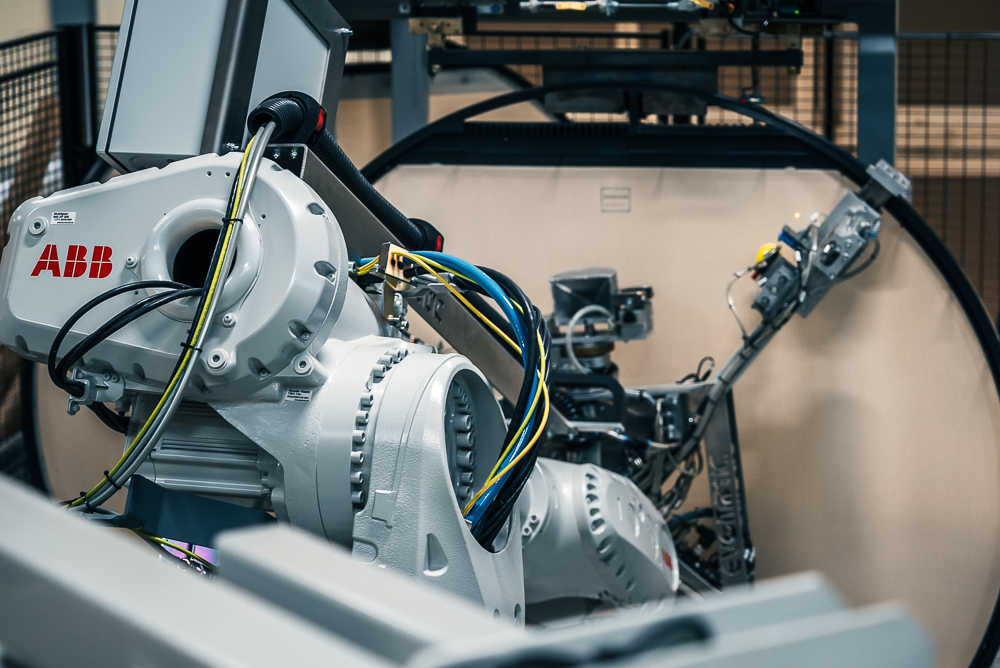
At HGF, we have several different production methods and processes. This gives us the advantage of always being able to choose the processes that are best suited for your specific product. The different rubber processing methods each have their own unique advantages and disadvantages which creates high flexibility.
Two main steps can be distinguished in rubber manufacturing. The first step consists of the mixing process. This phase of manufacturing generates a semi-finished product that can be used in the next step in numerous different processes such as compression / injection molding, extrusion and calendering.
The section about processes is intended to contribute to an increased understanding of the various manufacturing processes we use here at HGF. As a full-service provider we have the ability to both suggest and combine suitable materials for your specific product, while also choosing a cost-effective process for rubber molding.
Compounding
The heart of our operation is the mixing process which provides us with high flexibility as we are self-sufficient in mixed rubber. Our material technicians continuously develop recipes for the rubber products that are molded. Curious to know more about the mixing process?
Injection molding
There are several reasons why injection molding is often chosen. In this section you will learn more about these advantages.
Compression molding
Molding rubber using compression molding is a relatively simple method with many advantages. Compression molding is the first of the various manufacturing processes developed for the molding of rubber.
Injection transfer molding
Injection-transfer molding of rubber is a manufacturing process that combines the benefits of injection molding and compression molding. It enables the production of complex rubber parts where high precision and quality are sought.