
Proud of our history - but always looking forward
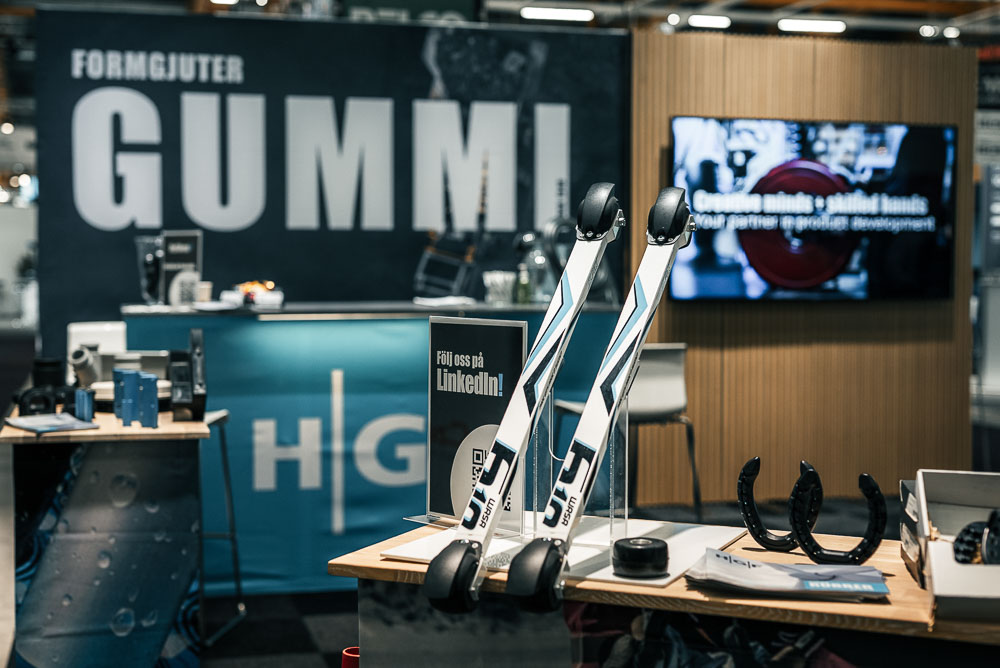
2020-2023
Just like for many others, we could not have imagined the significant impact the pandemic would have both locally and globally over these past few years. Discontinuing operations in Riga, Latvia was a challenge that tested our organization. Despite this grim period, we felt throughout that we had made the right decision, which would soon prove to be true.
Most of the presses at HGF-Riga were moved to HGF in Halmstad, which gave the Halmstad facility both increased capacity and new opportunities in the form of an even wider range of presses. Within a year of HGF-Riga closing, the Halmstad facility alone generated as much revenue as the entire group had previously.
There is much to tell from these years, but what stands out the most is also the single biggest event in HGF's history. A customer collaboration, stretching back more than 20 years, concerning renewable energy is gaining momentum. Global discussions about the transition to renewable energy are turning into action. In the midst of the prevailing pandemic, HGF's team develops a completely new and unique production line in record time, so that together with the customer, they can meet market demands.
Here we again have proof that we made the right decision when we chose to follow what has always been a part of HGF:
- Strive for long-term relationships with both customers and suppliers
- Development together with the customer to reach the best solution
- Take advantage of our competence and know-how
- Focus on our employees - they are the company's soul and driving force
2015-2019
Between 2015 and 2019, work was initiated to return to what should fundamentally be HGF's identity, namely to be a company with high technical competence and innovative ideas, offering solutions developed in close collaboration with our customers.
Several development projects concerning materials, processes and product design are initiated. These will later result in both patented solutions and historical milestones for HGF.
The board therefore made the difficult decision to leave the automotive industry after more than 50 years as a Tier-1 supplier.
In parallel, projects are being initiated for the manufacturing of products from recycled materials, specifically recycled car tires.
HGF turned 70 in 2017 which was celebrated by employees together with their families at our production facility in Halmstad.
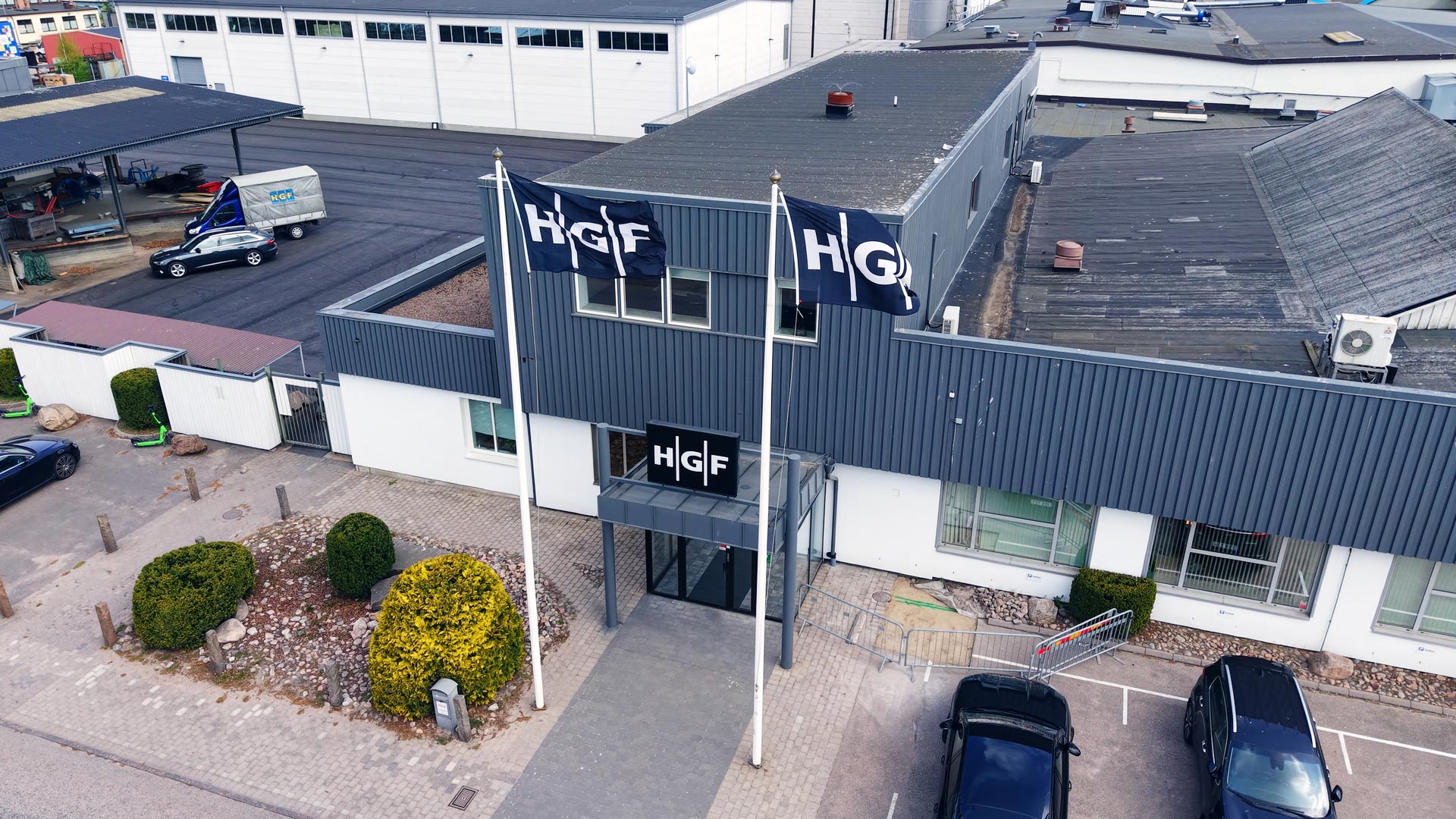
The 10s: Begins with a focus on development
The 2010s kicked off with new materials, new processes and the launch of HGF's own development department.
The first delivery of all-weather mats made of TPE material took place in 2015, with Honda as the customer. Volvo Cars was next in line to entrust HGF with the delivery of TPE floor mats for several models such as the V90/S90, XC60 and V60. Our long-standing collaboration and high level of trust gave our customers the confidence to hand over responsibility to HGF when they took the step to transition from rubber to TPE mats for some of their most important car models.
A sales office was also opened in Belgium to increase presence with customers on the continent.
2000s: Our LEAN journey begins
Around the turn of the millennium, thoughts began to form about a subsidiary abroad to establish a complementary production facility, and Riga, Latvia was chosen.
In 2006, Lean Production was introduced for the first time in the company's history. The goal was to streamline work in the various production facilities and thereby also reduce production costs. It was a modest attempt at first, but is now a major part of HGF's philosophy and DNA.
Within just 3 years, we had received our first award for our Lean work and more were to come.
The 90s: Operate at full performance
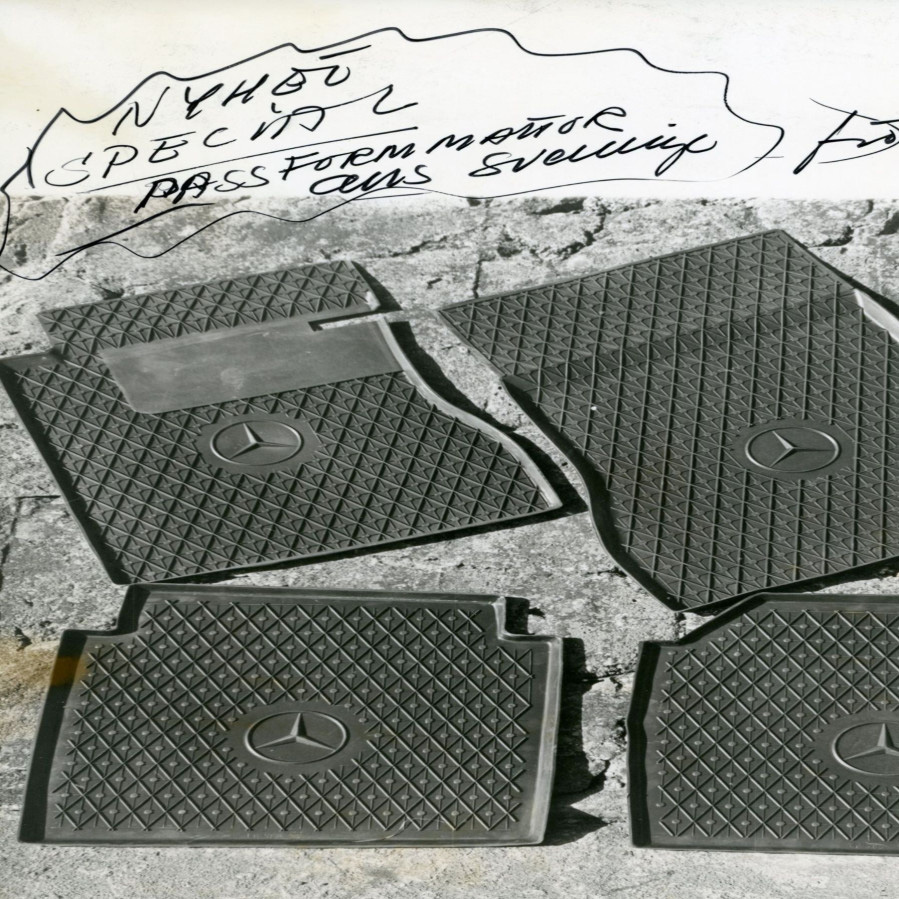
The 1990s were most notably marked by the jubilee of 2.5 million rubber mats delivered to Mercedes Benz, a result of a long-standing collaboration.
In 1993, production began on an innovative rubber horseshoe developed by horse enthusiast Lone Pedersen. The concept challenged the traditional use of steel horseshoes by introducing a rubber construction with a steel core. The product was marketed under the name Öllöv Original and was later further developed by Halmstads Gummifabrik (HGF). After initial challenges, extensive research and product development led to improved versions that are still available today.
At the same time, cooperation and investment begin with a startup company in the sealing segment. What we didn't know then was that the cooperation would flourish and ultimately result in HGF's largest customer in 2015.
The 80s: Will HGF survive?
In 1982, it was time for an expansion again, and a new hall for injection molding machines was built. At the same time, the law requiring all cars to be equipped with mudguards ceased to apply. This led to widespread speculation that HGF's largest product would disappear. Would we survive without our biggest product?
It turned out that we would manage the transition excellently, largely thanks to the success of rubber mats for the automotive industry. During the 80s, several large investments were made, including in the new material TPE. The technical manager, Göran Sanell, was convinced that the future as a supplier to the automotive industry lay in products made of this material....
... and he was right.
The 70s: HGF chooses to invest
In 1971, an investment was made that became something of a milestone in HGF's history. The then staggering sum of 240,000 kronor was used to invest in four modern compression machines from the Värnamo-based company Jochnick & Norrman.
The investment was substantial, and the logic behind it was to invest heavily to keep up with development or disappear – we chose to invest. Together, over the years, the presses have manufactured approximately 50 million rubber mats for the automotive industry.
In the late 1970s, computerization gained momentum, and a major debate within the company followed. In 1978, we took a big step by investing in “computers,” but the board was divided on whether computers could truly have a future.
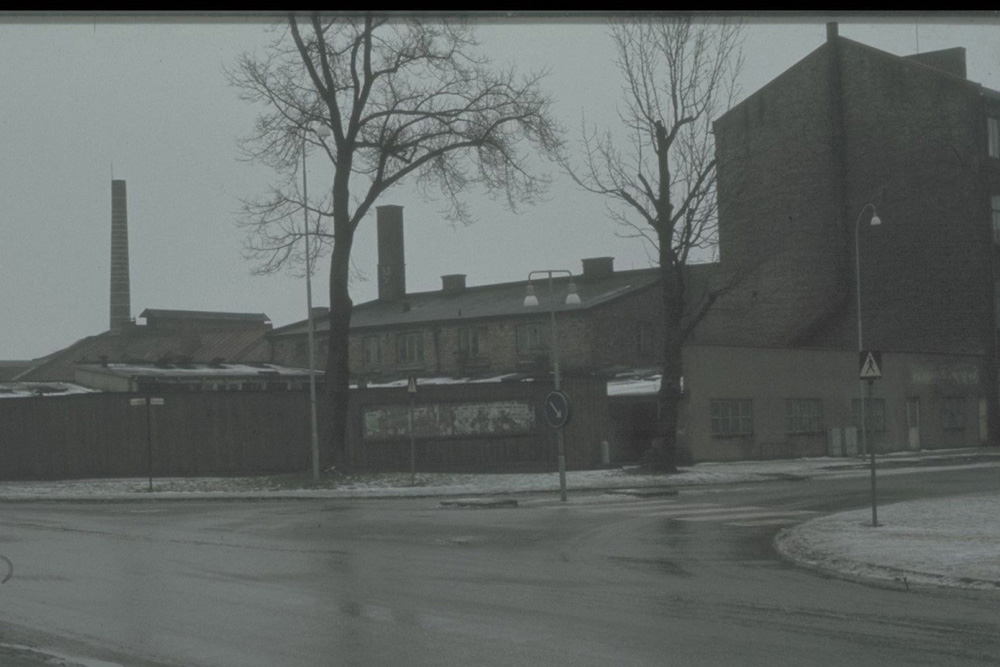
1947 - The Journey Begins
The first official meeting of the future shareholders of the current AB Halmstads Gummifabrik was held on September 16, 1947. A year later, the 13 employees started production in the factory that had been built on Skansgatan in Halmstad. The steam that powered the presses came from an old coal-fired boiler that had previously been in a boat.
Just in time for the company's twenty-year anniversary, the factory was moved to its current address on Knäredsgatan. The move was anything but simple, but production started after a month, and we have thrived and been happy on Knäredsgatan ever since.
The biggest products at the end of the 1960s were rubber mats and mudguards for the automotive industry, with customers such as Volvo, Ford, Fiat, GM, and Peugeot. Around this time, HGF's first chemist was also hired, the Slovakian refugee Ladislav Kubicka, who would come to mean a great deal for the company's development with his deep knowledge and inventiveness.